
Frank Ocean’s Homer: A Different Kind of Luxury


There’s a moment around 2021 where Frank Ocean quietly stops behaving like a musician waiting on a release cycle and starts moving like a designer building a world. Homer isn’t a side project. It’s what happens when he removes music entirely and keeps the thinking.
The brand begins development around 2018, then arrives with almost no traditional rollout. Just a statement positioning it as an independent American luxury company focused on permanence. The name references the ancient Greek poet, tying the idea of Homer to origin and recorded history, which Ocean translates into object.
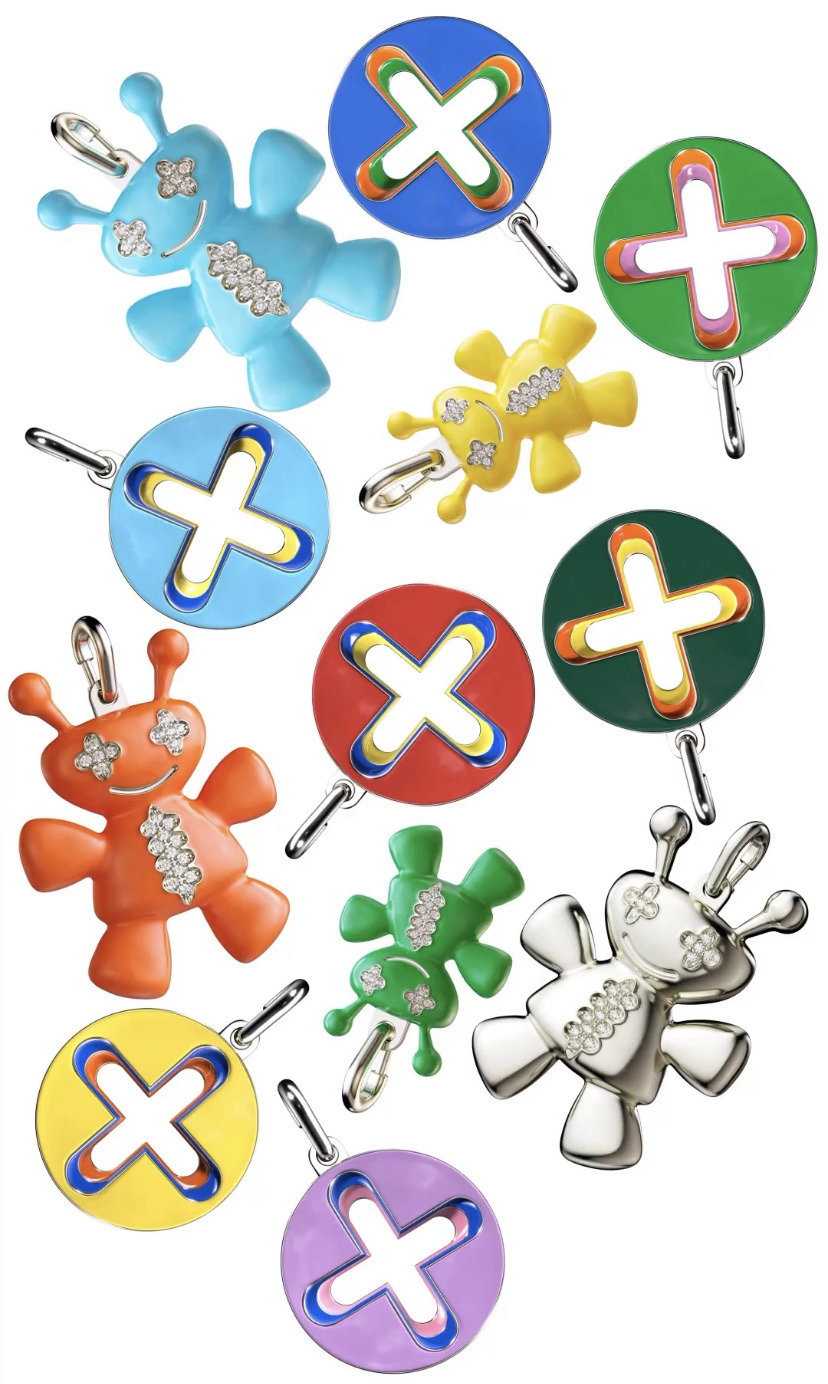
The first collection sets that tone immediately. High jewelry built from gold, silver, enamel, and lab grown diamonds, produced in Italy but visually detached from traditional luxury. Bright colors, simplified forms, almost childlike. Ocean frames it through memory and imagined heritage, which becomes the logic behind the brand.
Homer introduces itself through a catalog rather than a storefront. A dense, hard to access publication shot by Ocean alongside Tyrone Lebon that builds a visual world instead of explaining product. Early access follows the same structure, with pieces available by appointment in New York, turning entry into something intentional.
The drops never follow a predictable rhythm. Instead of seasonal collections, Homer releases in controlled bursts. Small runs, new motifs, slight evolutions of earlier pieces. Collections like “When a Dog Comes to Stay” introduce new visual languages, reducing animals into pixel-like forms and turning them into wearable objects. At times, products appear quietly through updates to the catalog or in-store additions rather than announced releases. Even collaborations with Prada are folded into the ecosystem without a typical campaign structure.
That’s the thesis behind Homer. It rejects the idea that a brand needs constant visibility to exist. Instead, it builds value through restriction, irregularity, and control. Every object, every drop, every piece of media feels like it’s part of a larger system being revealed slowly rather than sold all at once.
You can shop Homer here: https://www.homer.com/?
Leave a Reply