Jack the Ripper to Runway: The Dark Beginnings of Alexander McQueen

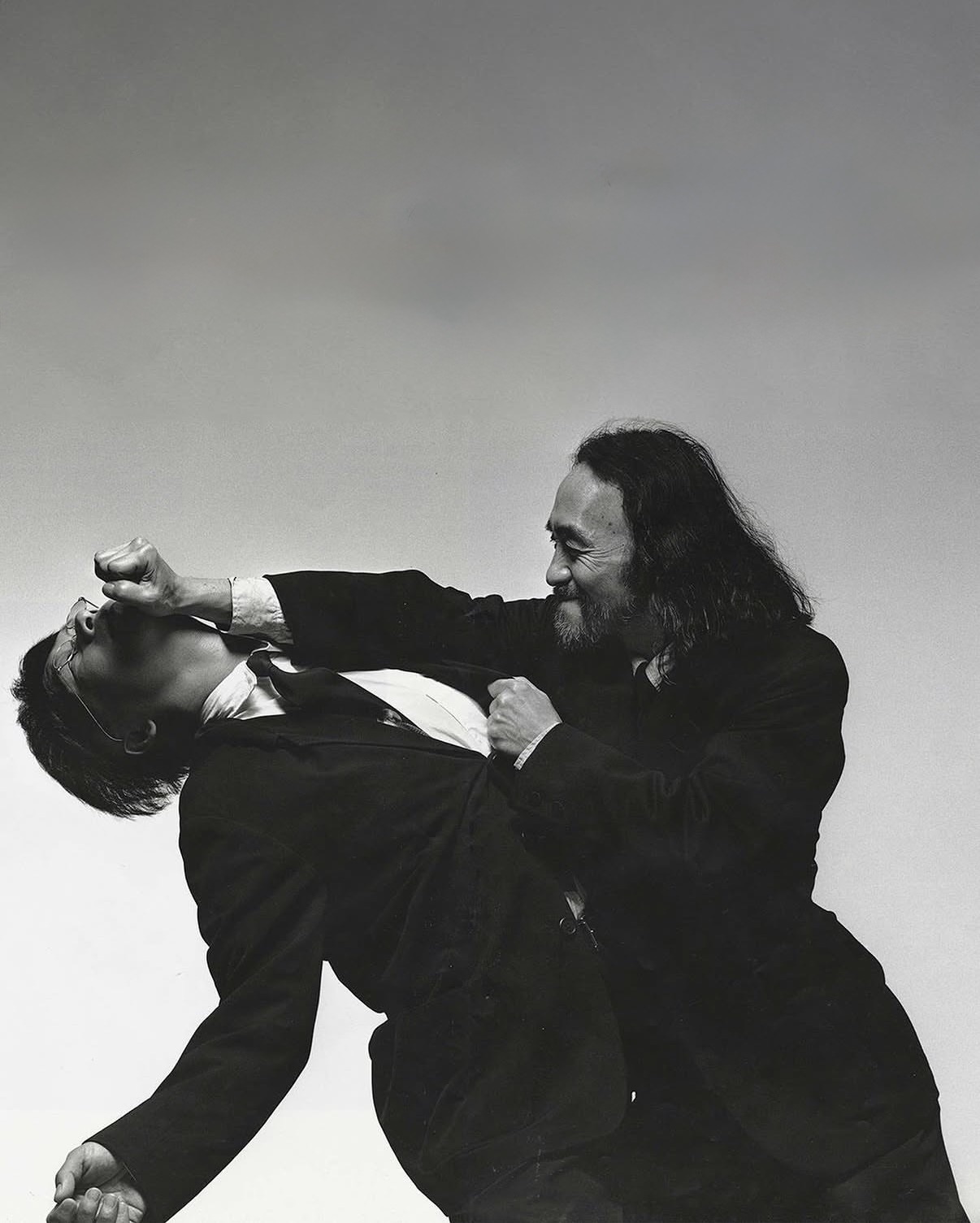
Photography Nick Knight, styling Katy England
In 1992, Lee Alexander McQueen, just 22 years old, graduated from Central Saint Martins with a collection that would leave a lasting mark on fashion history. Titled Jack the Ripper Stalks His Victims, the collection’s name referenced the infamous 19th-century serial killer. McQueen’s fascination with the macabre had a personal connection—his mother, a genealogist, discovered that one of Jack the Ripper’s victims had stayed at an inn owned by their relatives in Whitechapel. “I was ready to solve the whole bloody mystery,” McQueen later said of his intrigue.
The dark inspirations for the collection extended far beyond Jack the Ripper. McQueen drew from the disturbing themes of Marquis de Sade’s The 120 Days of Sodom, an infamous tale of depravity and violence set in a secluded French castle. Simon Ungless, McQueen’s friend and collaborator, reflected on the source material, noting how its shocking elements pushed their imaginations to uncomfortable extremes.
However, McQueen’s collection was more than just an exploration of grim historical narratives; it was deeply personal. While he didn’t explicitly tie his work to his own experiences at the time, McQueen later revealed that much of his artistry was autobiographical. His childhood, marked by abuse and trauma, often informed his vision. These themes, combined with meticulous research into Victorian pornography, fetishism, and traditional menswear tailoring, gave the collection its provocative edge. This is also where McQueen introduced the “bumster” pants, which elongated the torso in a bold redefinition of the human silhouette. “It wasn’t about showing the bum,” McQueen explained. “To me, the base of the spine is the most erotic part of the body.”

The collection’s visual language fused Victorian aesthetics with modern, edgy tailoring. Frock coats were reimagined in mauve—a Victorian symbol of mourning—and updated for contemporary tastes. Sleeveless tunics, mini dresses, and sharp tailcoats became early hallmarks of McQueen’s aesthetic. One haunting detail was the inclusion of McQueen’s own hair sewn into the garment tags, a nod to Victorian traditions where locks of hair were exchanged as tokens of love or sold for money by prostitutes.


The journey to bring this vision to life was as intense as the collection itself. McQueen’s process often involved pushing materials to their limits, which left many of the cheap fabrics he sourced from Soho’s Berwick Street in tatters. Bobby Hilson, a mentor, eventually secured Swiss textiles for him, allowing McQueen to create pieces that could withstand his brutal experimentation. This raw, unfiltered approach caught the attention of Isabella Blow, the influential fashion editor who purchased the entire collection. Blow became a fierce supporter and close friend, leveraging her connections to help launch McQueen’s career.
McQueen’s earlier experiences on Savile Row and elsewhere had already honed his tailoring skills, but he infused these traditional techniques with his subversive, boundary-pushing lens. His designs were unapologetically powerful, rejecting innocence and embracing strength. “I wanted people to fear the women I dressed,” McQueen famously said, reflecting his desire to create clothes that empowered rather than softened.
A striking addition to the collection was McQueen’s collaboration with Simon Costin, a London-based jewelry artist known for working with animal remains. Costin’s unconventional pieces, including a bird-claw brooch, a jet-beaded headdress, and necklaces made with rabbit skulls and bear paws, added another layer of visceral intensity to the show.
While only fragments of this groundbreaking collection have been documented, its legacy remains undeniable. McQueen’s fearless creativity, unrelenting vision, and willingness to confront uncomfortable truths set him apart. It’s intriguing to imagine how his boldness would resonate in today’s cultural climate, but one thing is certain—Lee Alexander McQueen’s impact is timeless, and his brilliance irreplaceable.