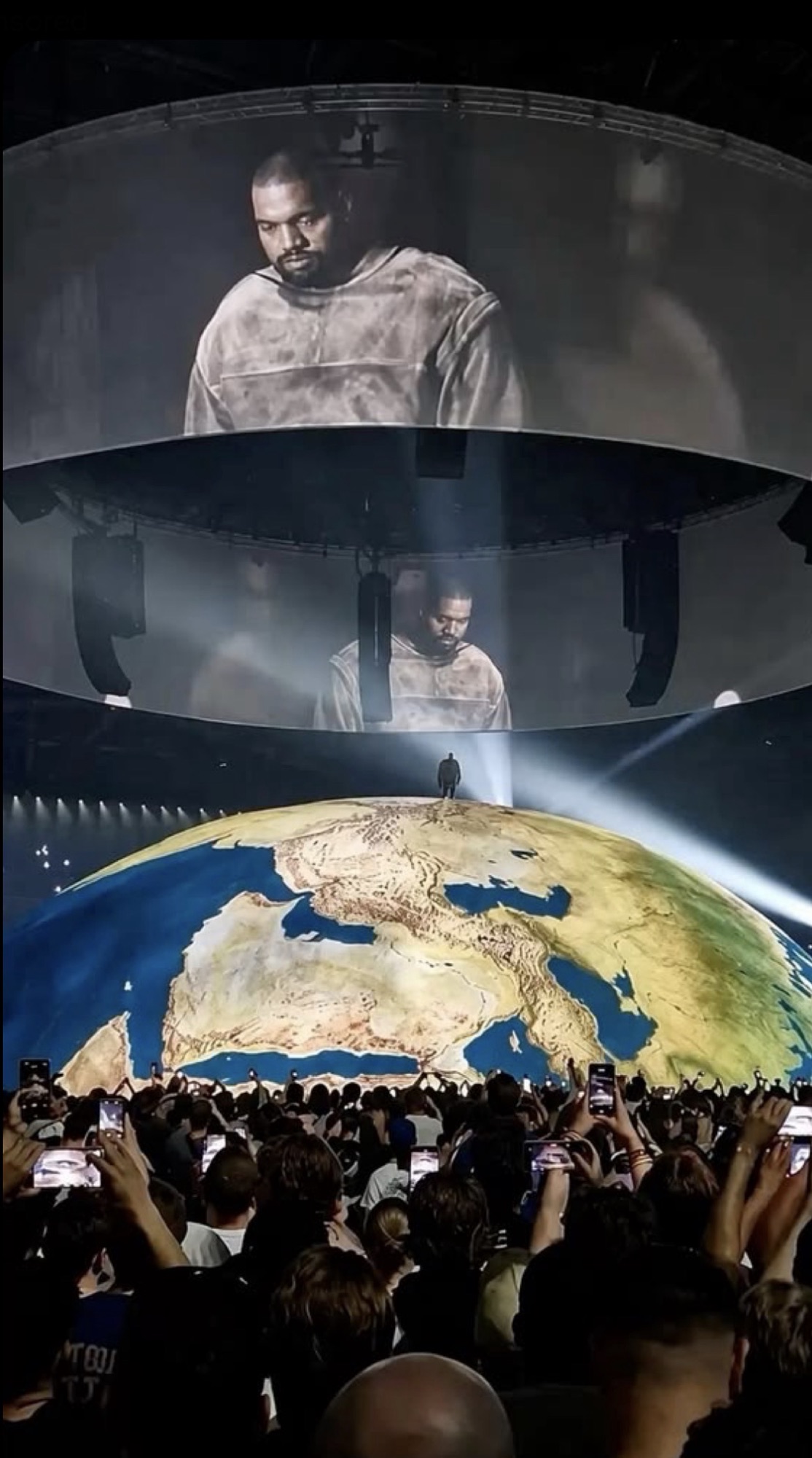
Why fashion has consistently served as a visual language for power, resistance, community, and identity throughout modern history.

The Role of Fashion in Cultural Expression
Fashion is often discussed as an industry, a marketplace, or a form of entertainment, yet its influence extends far beyond commerce. Throughout history, clothing has served as one of humanity’s most visible forms of communication, allowing individuals and communities to express identity, signal belonging, challenge authority, and reflect the values of their time. Long before the emergence of mass media, fashion provided societies with a visual language through which ideas could be communicated and understood.
Every historical period leaves behind a record of its priorities, anxieties, and aspirations through dress. The elaborate garments worn by European aristocracy reflected systems of hierarchy and power. Military uniforms communicated authority and national identity. Traditional garments across cultures preserved histories, rituals, and collective memory. Even today, clothing continues to function as a reflection of the social and political environments in which it is created. Fashion does not develop independently from the world around it. It evolves alongside music, politics, economics, technology, and shifting cultural values.

What makes fashion particularly powerful is its accessibility. Unlike many forms of cultural expression, clothing exists within everyday life. Art may hang in galleries and music may be experienced through performance, but fashion accompanies people through nearly every aspect of their daily existence. Because of this visibility, clothing has repeatedly become a tool through which social movements communicate their ideas. New cultural attitudes often appear first through shifts in appearance, silhouettes, styling, and aesthetics before they become widely accepted within society.
Fashion’s role as a cultural force can be seen throughout history. Moments of political revolution, social change, and artistic innovation have consistently produced corresponding changes in dress. As communities seek new ways of understanding themselves, fashion often becomes one of the first places where those evolving identities are made visible. In this sense, fashion operates as both a reflection of cultural change and an active participant in shaping it.
Fashion Movements That Shaped Society
Many of the most influential cultural movements of the past century can be understood through their relationship with fashion. Far from being superficial, style has often served as a visual expression of larger social and political transformations taking place beneath the surface.
One of the clearest examples can be found in the punk movement of the 1970s. Emerging during a period of economic instability and political dissatisfaction in Britain, punk rejected traditional ideas surrounding beauty, refinement, and respectability. Torn garments, leather jackets, safety pins, and homemade alterations became symbols of frustration and resistance. Punk fashion was intentionally disruptive. It challenged social expectations while creating a distinct visual identity for a generation that felt disconnected from existing institutions. Although it began within underground music scenes, its influence eventually reached luxury fashion, graphic design, and contemporary streetwear, demonstrating how subcultural aesthetics can reshape mainstream culture.

Hip hop provides another significant example of fashion’s cultural influence. Originating within Black and Latino communities in New York during the 1970s and 1980s, hip hop developed as both a musical movement and a visual culture. Clothing became a way of expressing ambition, creativity, confidence, and community identity. Sneakers, tracksuits, varsity jackets, oversized silhouettes, and luxury brands became part of a larger cultural language that extended far beyond music itself. As hip hop grew into a global phenomenon, its influence transformed the fashion industry. Luxury houses that had once defined cultural relevance from the top down were increasingly forced to acknowledge the power of communities shaping style from the ground up.
Fashion has also played an important role in political movements. During the Civil Rights Movement, clothing was often used strategically to challenge racist stereotypes and communicate dignity, professionalism, and unity. During the women’s liberation movement, fashion became intertwined with conversations surrounding gender expectations and personal autonomy. Throughout history, protest movements have repeatedly adopted specific garments, colors, and symbols to create visual solidarity and communicate shared goals.
Music has consistently accelerated these developments. Artists frequently introduce new styles to broader audiences and help transform niche aesthetics into global movements. The influence of figures such as David Bowie, Madonna, Run DMC, Pharrell Williams, Kanye West, Rihanna, and A$AP Rocky extends beyond their artistic output. Their ability to shape visual culture has influenced how entire generations understand fashion, identity, and self expression.

What connects these movements is that their influence extends beyond clothing itself. The garments associated with punk, hip hop, or political activism were never significant solely because of how they looked. They mattered because they represented larger conversations surrounding power, identity, community, and cultural change.
The Intersection of Fashion and Identity
At its core, fashion remains deeply connected to the way individuals understand themselves and the way they wish to be understood by others. Clothing functions as a bridge between personal identity and public perception, allowing people to communicate aspects of who they are before a single word is spoken.
Personal style often reflects more than aesthetic preference. It can reveal cultural background, professional aspirations, creative interests, political beliefs, or membership within a particular community. Whether consciously or unconsciously, individuals use clothing to navigate social environments and construct narratives about themselves. Fashion becomes part of how people establish belonging while simultaneously expressing individuality.
This relationship becomes particularly important when examining cultural identity. Across the world, traditional garments continue to preserve histories, customs, and collective experiences that have been passed down through generations. At the same time, contemporary designers frequently reinterpret these traditions through modern perspectives, creating new conversations between heritage and innovation. Fashion therefore functions as both a means of preserving cultural memory and a platform for cultural evolution.
Many of the most influential designers in fashion history have built their careers by challenging conventional assumptions surrounding identity. Yohji Yamamoto questioned Western ideas of perfection through asymmetry, oversized silhouettes, and an embrace of imperfection. Rei Kawakubo challenged traditional understandings of beauty and the human body itself, presenting garments that often resisted conventional ideas of wearability and proportion. Their work demonstrated that fashion could operate not simply as commerce but as philosophy.

More recently, Virgil Abloh expanded these conversations by dissolving the boundaries between fashion, architecture, music, graphic design, and streetwear. His work reflected a generation that viewed culture as interconnected rather than divided into separate disciplines. Through his approach, Abloh helped redefine who could participate in luxury fashion and what cultural references were considered worthy of institutional recognition.
Fashion icons and cultural figures further shape these narratives by demonstrating new possibilities for self presentation. Their influence often extends beyond clothing into broader discussions surrounding gender, race, class, and representation. As society continues to evolve, fashion remains one of the most immediate ways individuals negotiate their relationship with identity and community.
Future Trends in Fashion and Cultural Engagement
The future of fashion will likely be defined by many of the same forces currently reshaping society. Technology, digital communication, sustainability, and evolving ideas surrounding identity are already transforming how fashion is created, consumed, and understood.
Perhaps the most significant shift involves the decentralization of influence. For much of the twentieth century, fashion trends were largely dictated by designers, editors, buyers, and institutions concentrated within a handful of global fashion capitals. Today, social media platforms have dramatically altered that dynamic. Independent designers, stylists, creators, and online communities can influence global conversations without relying on traditional gatekeepers. Fashion trends now emerge from a far wider range of cultural sources than ever before.
Technology is also expanding the definition of fashion itself. Digital garments, virtual environments, gaming platforms, artificial intelligence, and augmented reality are creating entirely new forms of self expression. As younger generations increasingly navigate both physical and digital identities, fashion will continue evolving beyond the limitations of traditional clothing.
Sustainability has become another defining issue. Growing awareness surrounding environmental impact has encouraged consumers to question production practices, supply chains, and patterns of consumption. As a result, transparency, durability, and responsible manufacturing are becoming increasingly important cultural values rather than niche concerns. Future fashion movements will likely be shaped not only by aesthetics but also by the ethical frameworks through which garments are produced.
At the same time, conversations surrounding representation and inclusivity continue to reshape the industry. Audiences increasingly expect fashion to reflect the diversity of the communities it serves. Designers and brands are being challenged to move beyond symbolic gestures and engage more meaningfully with the cultures that influence their work. As fashion becomes increasingly global, questions surrounding identity, authenticity, and cultural exchange will remain central to its development.
While the platforms, technologies, and aesthetics of fashion will continue to evolve, its cultural function is unlikely to change. Fashion remains one of the most visible ways societies communicate their values, aspirations, and tensions. It gives form to cultural movements, transforms ideas into images, and allows individuals to participate in larger conversations about who they are and the world they wish to create.
For that reason, fashion’s influence extends far beyond clothing. It remains one of the most powerful cultural forces through which societies define themselves and imagine what comes next.