Michael Jackson style moved from the color and looseness of the Jackson 5 into something far more controlled and intentional. That shift was not immediate. It was built slowly, piece by piece, as he began to understand that clothing could function the same way his music did. It could repeat, evolve, and eventually become inseparable from his identity.
In the Jackson 5 era, his image belonged to the language of seventies performance. Bright colors, flared silhouettes, fringe, and coordinated group looks defined the visual. It was expressive and energetic, but not yet controlled. Even then, there was awareness. Small decisions in fit and detail hinted at someone already paying attention to how image could extend performance.
By the time Thriller arrived, that awareness became strategy. The red leather jacket sharpened his frame and made him instantly recognizable in motion and still. It proved that a single piece, when repeated enough and seen at scale, could define an era. Michael Jackson style began to shift into something precise, where clothing shaped perception rather than simply supporting it.
From System to Uniform
With Bad, everything locked in. The softness disappeared and structure took over. Leather, buckles, straps, and metallic detailing pushed his image toward something more disciplined and deliberate. This was the moment his wardrobe stopped reacting to culture and started operating as its own system.
That system was built with Michael Bush and Dennis Tompkins, who worked with Jackson for more than two decades. They were not traditional stylists. They functioned more like a couture atelier built around one performer. Every garment was custom, engineered for movement, light, and repetition. Pieces were designed to hold their shape under pressure, reflect light across arenas, and still allow complete freedom in performance.
At the center of that system was the military jacket.
The Military Language
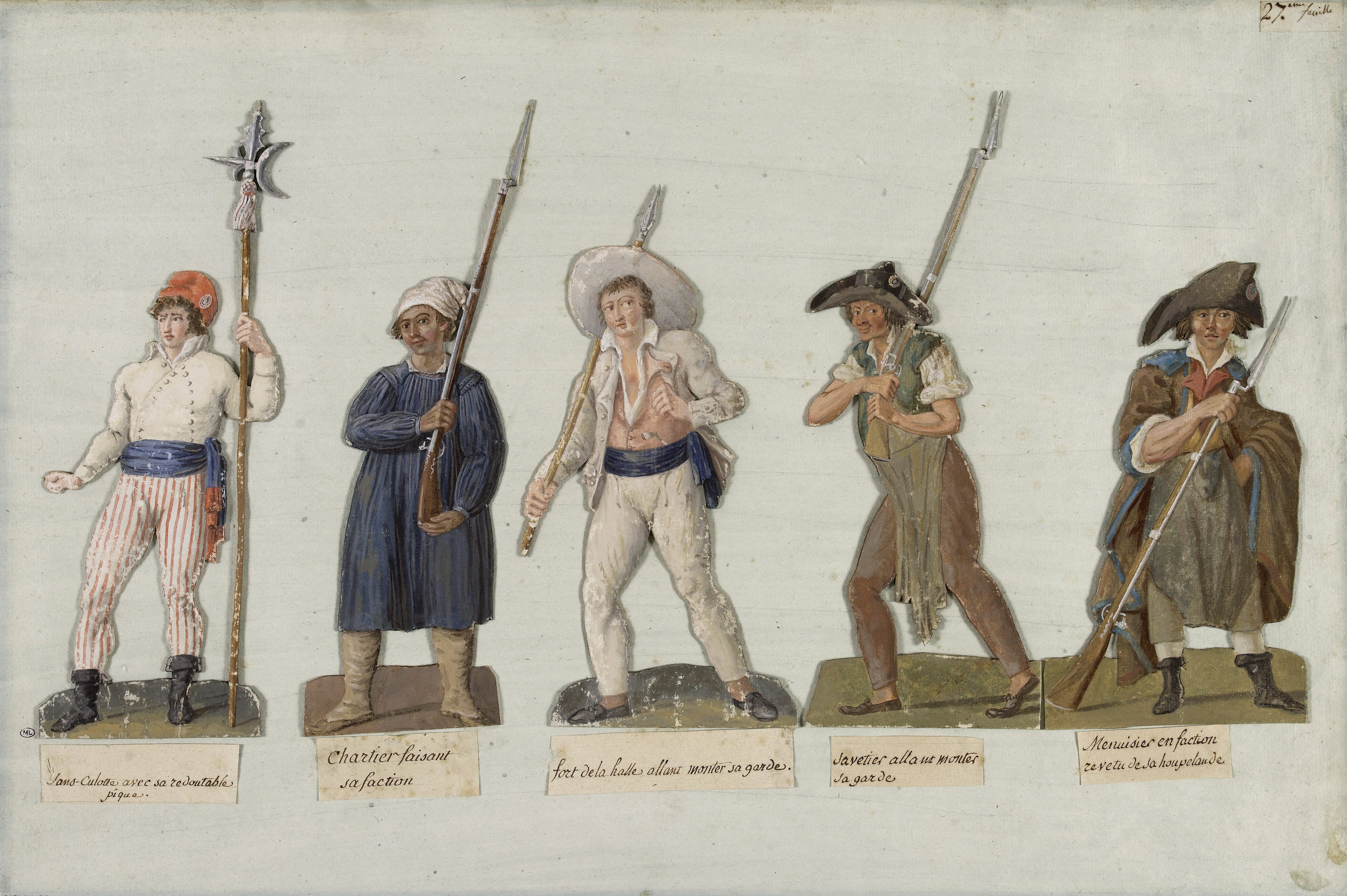
Michael Jackson style drew heavily from European regalia and historical dress, particularly the visual authority associated with figures like Napoleon Bonaparte. Structured shoulders, tightly controlled waists, gold braiding, epaulettes, and ceremonial detailing all came from uniforms originally designed to communicate rank and power.
Jackson repurposed that language for the stage.
The result was a look that established authority before movement. It balanced discipline and spectacle, something Michael Bush described as “Liberace goes to war.” The jackets were controlled, but never minimal. Surfaces were covered in embellishment, crystals, metallic thread, and intricate embroidery, built to catch light and move with the body.
This is where Michael Jackson style connects directly to haute couture.
His garments followed couture principles without existing inside the fashion system. They were hand-finished, custom tailored, and often produced in multiple versions to account for choreography and stage conditions. Materials were chosen for how they reacted under light and movement, not just how they looked up close.
The 1993 pearl jacket is one of the clearest examples. Covered in pearls and inspired by historical royal dress, it transformed a military silhouette into something closer to ceremonial armor, reinforcing his ability to turn clothing into mythology.
Legacy
As his career moved into the Dangerous and HIStory eras, the military language expanded further. White and silver jackets, gold armor, helmets, and increasingly sculptural silhouettes pushed his image toward something almost imperial. Clothing became presence before performance.
At the same time, he remained connected to fashion without being defined by it. He worked with and admired houses like Balmain, Givenchy, and Dior Homme, while drawing from designers such as Jean Paul Gaultier. Later, stylist Rushka Bergman helped connect him more directly to contemporary fashion, but the system never changed. He absorbed influence rather than followed it.
Michael Jackson style ultimately became a combination of sharp tailoring, military structure, high-shine embellishment, and repeated signature elements like the glove, fedora, and cropped trousers. Each detail reinforced the next, allowing his image to evolve without losing recognition.
He did not move through fashion in cycles. He built a visual language and refined it until it became permanent. Over time, that language turned into one of the most recognizable identities ever created, where clothing, performance, and image existed as one continuous system.