How Henri Alexander Levy Turned SAVE ME Into a World


Future’s SAVE ME arrived in June 2019 as one of the most emotionally vulnerable projects of his career. Across seven tracks, the Atlanta rapper stepped away from the larger than life persona that helped define modern trap music to confront loneliness, addiction, heartbreak, and self destruction. While these themes had appeared throughout projects like Monster, DS2, and HNDRXX, SAVE ME felt different. It focused less on mythmaking and more on the consequences of the lifestyle that made him a star.
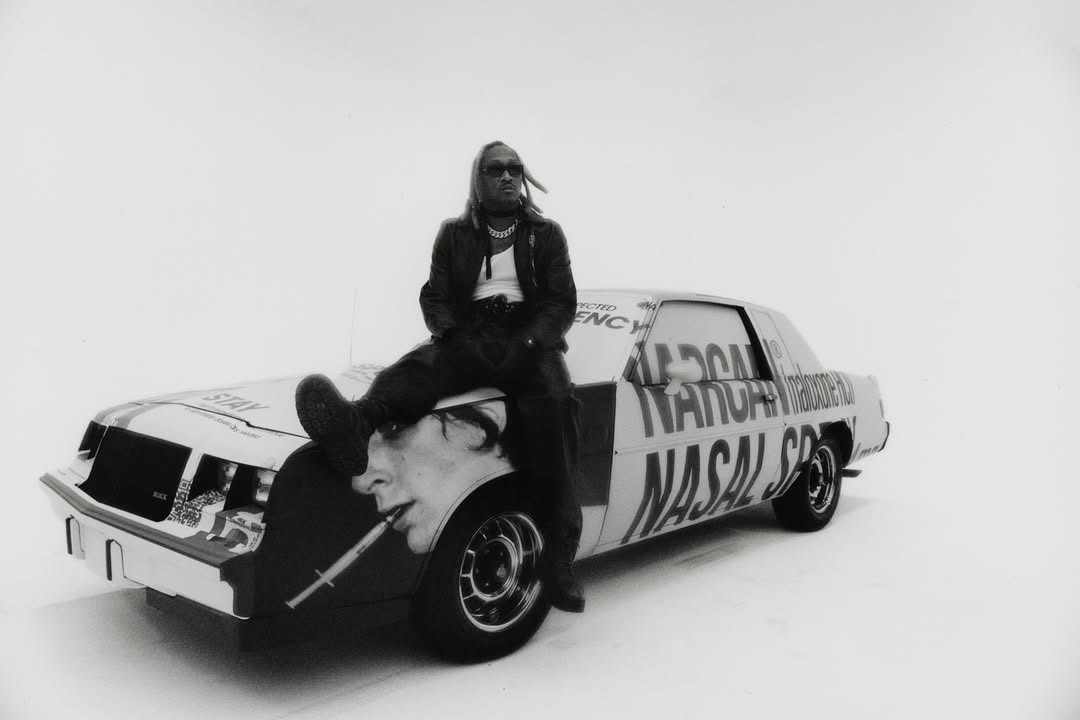
The music alone made the project stand out within Future’s catalog, but what truly separated SAVE ME from many of his previous releases was the visual world surrounding it. Instead of treating artwork, videos, and merchandise as separate promotional assets, Future partnered with Henri Alexander Levy, founder of Enfants Riches Déprimés, and allowed a fashion designer to help shape the identity of the entire era.
By the time SAVE ME was released, Levy had established himself as one of fashion’s most influential and polarizing creative figures. Through Enfants Riches Déprimés, he built a universe rooted in punk culture, fine art, luxury craftsmanship, and emotional tension. His work often explored themes of alienation, obsession, excess, vulnerability, and self destruction. Rather than selling clothing alone, Levy built narratives and worlds around his collections. That approach made him a natural collaborator for a project centered around many of the same themes.
Levy’s involvement went far beyond what is typically expected from a fashion designer. He created the cover artwork, directed the EP’s major music videos, helped define its visual identity, and collaborated on the accompanying merchandise capsule. Rather than adding visuals after the music was finished, he helped build the project’s world. The result was one of the most cohesive visual identities of Future’s career.
The partnership worked because both artists were exploring similar ideas through different mediums. Future’s lyrics examined addiction, failed relationships, ego, and emotional exhaustion, while Levy translated those themes into imagery. Instead of relying on luxury cars, jewelry, and extravagant displays of wealth, SAVE ME embraced a darker and more introspective aesthetic. Future often appeared isolated and disconnected from the environments around him. Luxury was still present, but it felt hollow rather than aspirational. Beauty existed alongside decay. Success existed alongside loneliness.
The clearest example of Levy’s influence can be found throughout the music videos released alongside the EP. Rather than functioning as standalone visuals, they feel like chapters of a larger story.
“XanaX Damage” serves as one of the strongest representations of the project’s emotional core. The song finds Future confronting substance abuse and dependency in unusually direct fashion. Levy responds by surrounding him with imagery that feels detached from reality. The video avoids the fast paced energy often associated with rap visuals and instead embraces a dreamlike atmosphere. Future drifts through dimly lit spaces that feel suspended in time. The imagery captures the emotional numbness present throughout the record, creating the sensation that the viewer is experiencing the same haze described in the lyrics.
“Love Thy Enemies” continues many of those themes while pushing deeper into isolation and heartbreak. Future appears emotionally detached from the world around him, even when surrounded by people. Levy frames him less like a traditional rap star and more like a character trapped inside his own thoughts. The visuals emphasize loneliness rather than status, reinforcing the idea that success does not necessarily protect someone from emotional collapse. The result is one of the most vulnerable portrayals of Future’s career.
On “Government Official,” Levy introduces a different layer to the visual language of the project. While luxury remains present, it is portrayed in a way that feels unsettling rather than celebratory. Future occupies lavish spaces, but the environments often feel empty and emotionally cold. The contrast mirrors one of the central ideas of SAVE ME: having access to everything while still feeling disconnected from yourself and others. The video becomes less about wealth and more about the emotional distance that can accompany it.
“St. Lucia” explores escapism through a similarly fractured lens. The song references travel, relationships, and excess, but Levy avoids presenting these elements as fantasy. Instead, the imagery feels fleeting and unstable, as if every moment could disappear as quickly as it arrived. The result is a visual representation of temporary satisfaction, a recurring theme throughout Future’s music.
By the time “Please Tell Me” arrived, it became clear that Levy was constructing something larger than a collection of music videos. The visual language established throughout the rollout remained consistent, creating the feeling of a unified film rather than disconnected promotional content. The video’s dark environments, distorted sense of reality, and emotional ambiguity continue the atmosphere established throughout the project. Rather than explaining the song’s meaning directly, Levy allows viewers to sit inside its emotions.
What makes these visuals particularly effective is that they rarely rely on narrative. Most music videos attempt to illustrate lyrics or tell a story. Levy instead focuses on emotional translation. His videos communicate feelings rather than events. They are less interested in what is happening and more interested in how it feels. That approach allows the imagery to complement the music without overwhelming it.
Years later, SAVE ME remains one of the strongest examples of what can happen when musicians invite creatives from outside music to shape an entire era. Henri Alexander Levy did not simply provide visuals for the project. He helped create a world that gave additional depth to the music itself. The collaboration demonstrated how powerful a unified creative vision can be when fashion, art, and music are allowed to operate together. It also raises an interesting question for the future of album rollouts: should more musicians be trusting creative directors from fashion, film, art, and other disciplines to help define entire eras rather than individual pieces of content?
Few projects have answered that question as convincingly as SAVE ME.