Long before gender fluid fashion entered the mainstream, Prince was already rewriting the rules.


Long before conversations surrounding gender fluid fashion entered the mainstream, there was Prince.
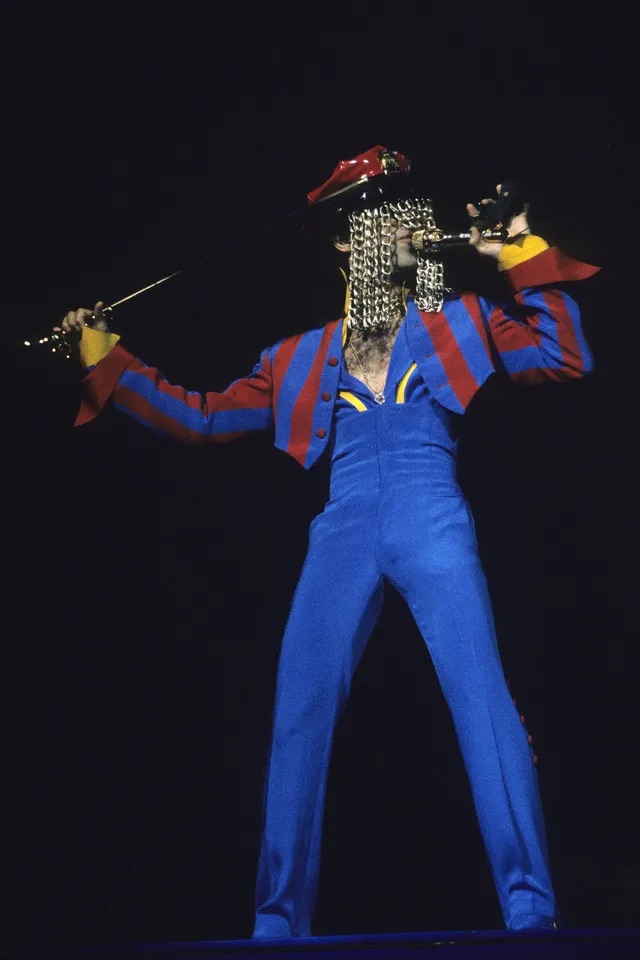
Decades before pearls, sheer garments, painted nails, and romantic tailoring became commonplace within menswear, Prince was already challenging conventional ideas of masculinity through fashion. Throughout the 1980s and beyond, the musician built a visual identity rooted in contradiction. He wore lace blouses, heels, ruffles, makeup, crop tops, and ornate tailoring while simultaneously projecting confidence, sensuality, and power. In doing so, he fundamentally changed the way masculinity could be expressed within popular culture.
At a time when male artists were often expected to embody toughness and restraint, Prince embraced vulnerability, romance, and theatricality without sacrificing authority. His image refused easy categorization. Rather than conforming to existing expectations, he created an entirely new visual language, one that blended rock and roll, royalty, sexuality, and self expression into something distinctly his own.
Perhaps no era better illustrates this than Purple Rain. The now iconic ruffled shirts, tailored coats, and heeled boots that defined the period remain some of the most recognizable looks in music history. Yet the significance of these garments extends far beyond aesthetics. Through fashion, Prince demonstrated that softness and strength were not opposites. They could coexist.
What made Prince’s image particularly groundbreaking was the cultural context in which it existed. As a Black male artist operating within industries that often imposed rigid expectations around masculinity, his embrace of androgyny challenged multiple systems simultaneously. Prince rejected the notion that masculinity had to be defined solely through aggression or traditional displays of power. Instead, he embodied a version of masculinity rooted in confidence, creativity, intimacy, and freedom.
His influence can still be seen throughout contemporary fashion. The growing embrace of fluidity within menswear, from sheer fabrics and pearls to romantic silhouettes and expressive styling, echoes a visual language Prince introduced decades earlier. While today’s conversations around gender and fashion may be more visible, Prince was already pushing those boundaries long before they entered mainstream discourse.
Fittingly, one of Prince’s longtime designers, Debbie McGuan, first connected with the artist as a fan. After sending sketches to Paisley Park in hopes that Prince might see them, McGuan eventually became part of his creative world, helping shape many of his later looks. The story speaks not only to Prince’s openness to new voices, but also to the collaborative spirit that helped define his ever evolving image.
More than a style icon, Prince gave generations permission to reject categories altogether. He treated clothing not as something dictated by rules, but as a tool for self creation. Fashion became an extension of artistic freedom, a space where identity could remain fluid, expressive, and entirely one’s own.
Nearly a decade after his passing, Prince’s influence remains undeniable. The question is no longer whether he changed fashion. It is whether today’s fashion landscape would look the same without him.