From Harlem To Paris: The Story Of Vlone


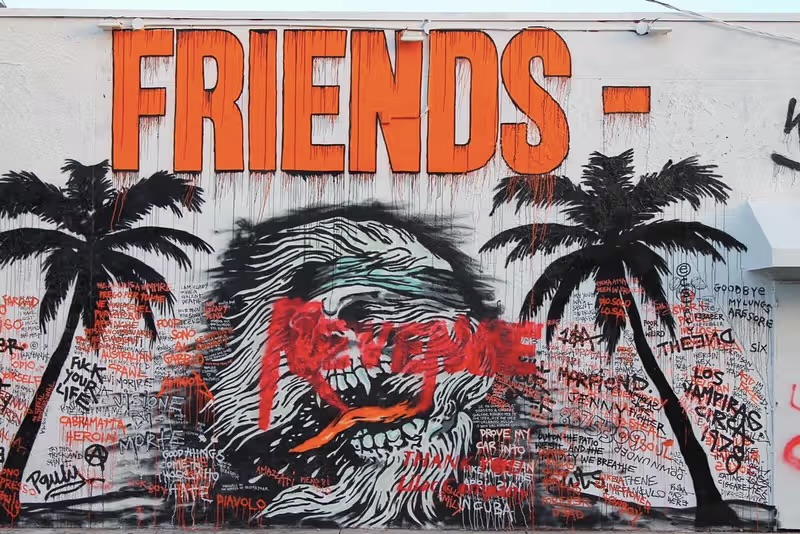
VLONE started as more than a clothing brand. Founded by A$AP Bari alongside the A$AP Mob collective, the label came out of Harlem and downtown New York carrying the energy of rap, streetwear, and internet culture all at once. By the mid 2010s, VLONE had already become one of the most influential names in youth culture through pop ups, Nike collaborations, and its connection to artists like Playboi Carti, Lil Uzi Vert, and A$AP Rocky. The brand felt less like traditional fashion and more like a movement tied directly to the SoundCloud era.
That is what made VLONE’s Spring Summer 2018 runway so important. Presented during Paris Men’s Fashion Week on June 23, 2017, the show marked the brand’s first official runway presentation and its attempt to move from streetwear phenomenon into full fashion institution. At a time when luxury fashion was only beginning to embrace rap culture and streetwear, VLONE entering Paris represented a new generation forcing its way into spaces that historically excluded it.
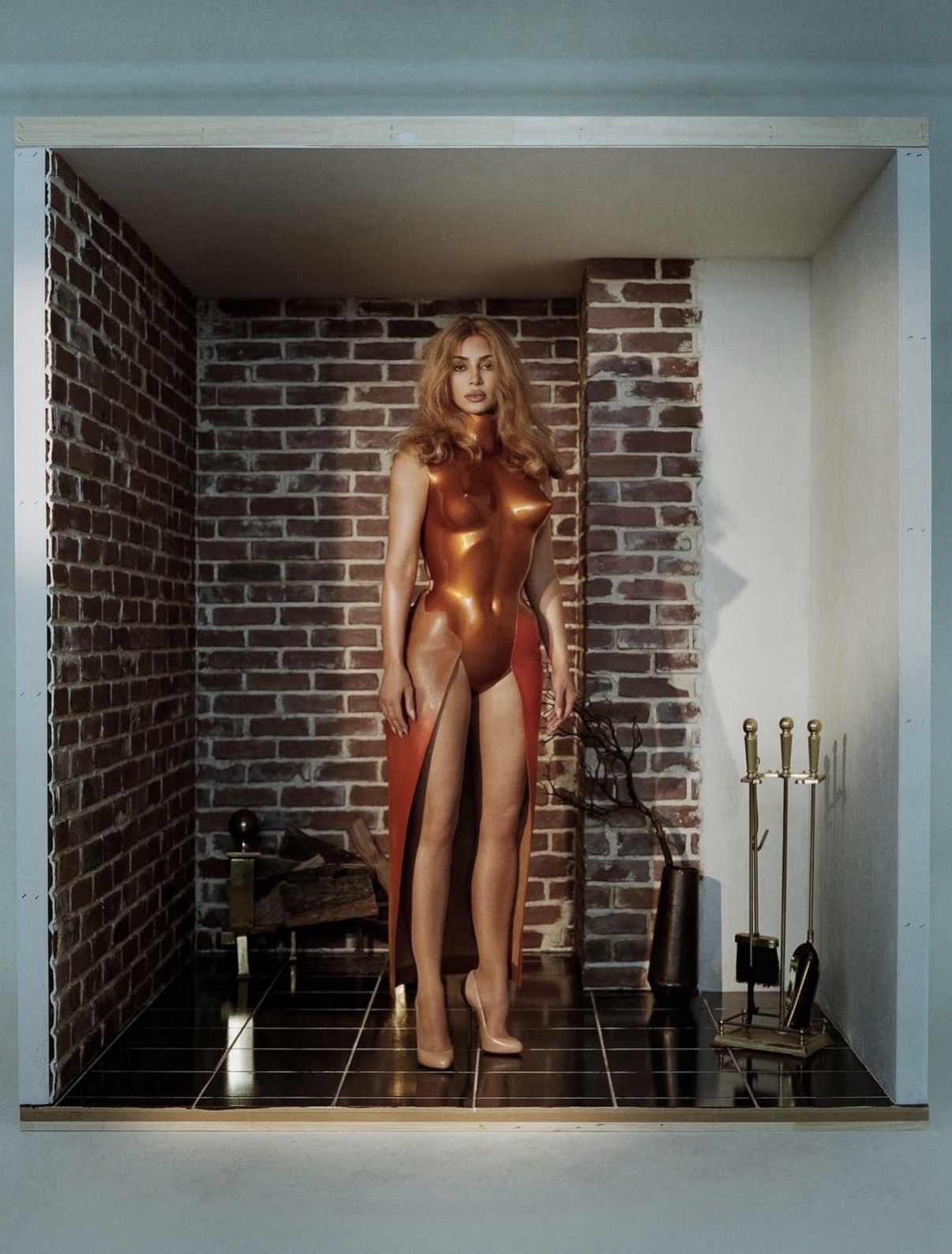
Titled “Black History,” the collection pulled heavily from Harlem, biker culture, punk references, military styling, and DIY aesthetics. Oversized orange leather pieces, distressed denim, racing graphics, and the signature orange “V” logo dominated the runway. The show also introduced more cut and sew garments, signaling Bari’s attempt to prove VLONE could operate beyond graphic tees and hoodies.
More than the clothes themselves, the presentation captured a cultural shift happening in real time. The runway blurred the line between fashion show and rap event, filled with musicians, creatives, and figures connected to the scene surrounding the brand. Around the same time, unreleased VLONE x Nike Air Force 1 colorways appeared on the runway, instantly becoming grails online and pushing the hype even further.
Looking back now, the show feels like a time capsule of an era when fashion, music, and internet culture completely collided. It represented both the peak of early SoundCloud era fashion and the moment streetwear stopped asking luxury fashion for permission.