From the Amazon rainforest to the pages of Vogue, Rafael Pavarotti has built one of fashion’s most distinctive visual languages.


Few image makers working today have altered the trajectory of fashion photography as profoundly as Rafael Pavarotti. Across magazine covers, advertising campaigns, and editorial projects, the Brazilian photographer has built a body of work that feels instantly recognizable, one defined by saturated color, monumental portraiture, and an unwavering commitment to representation. In an industry historically shaped by European and American perspectives, Pavarotti has introduced a visual language rooted in his own experiences, one that continues to expand the possibilities of what fashion photography can communicate.
Born in 1993 in a small village deep within Brazil’s Amazon rainforest, Pavarotti’s introduction to photography came far removed from the traditional pathways into fashion. Using his father’s camera, he began documenting the people and places around him at an early age. Friends, family, beaches, and everyday life became his first subjects. Growing up surrounded by the scale and intensity of the Amazon would leave a lasting impression on his creative practice, influencing not only his relationship with color and light, but also the emotional and cultural themes that continue to define his work.
Determined to pursue photography professionally, Pavarotti left his hometown at just sixteen years old and relocated to Brazil’s urban centers. Largely self taught, he developed his visual language independently, creating images outside of the established fashion system. Early photographs often centered on the communities and individuals around him, reflecting an interest in identity, belonging, and representation that would later become central to his practice.
A pivotal moment in Pavarotti’s career came when stylist and creative director Ibrahim Kamara discovered his work. Drawn to the photographer’s unique perspective, Kamara reached out, initiating what would become one of contemporary fashion’s most influential creative partnerships. The pair would later travel together to northern Brazil, producing a series of editorials exploring Black and Indigenous culture within the Amazon region. Featuring Pavarotti’s family, friends, and local community, these images introduced many within fashion to a new visual narrative, one rooted in cultural specificity, personal history, and radical imagination.
The collaboration between Pavarotti and Kamara quickly established itself as a defining force within contemporary image making. Together, they developed a visual language that challenged long standing conventions within fashion photography. Their work embraced fantasy while remaining deeply connected to lived experience, creating imagery that celebrated Black identity, cultural memory, and collective joy. At a time when conversations surrounding diversity and representation were becoming increasingly prominent, Pavarotti’s photographs offered something deeper than visibility alone. They proposed entirely new ways of seeing.
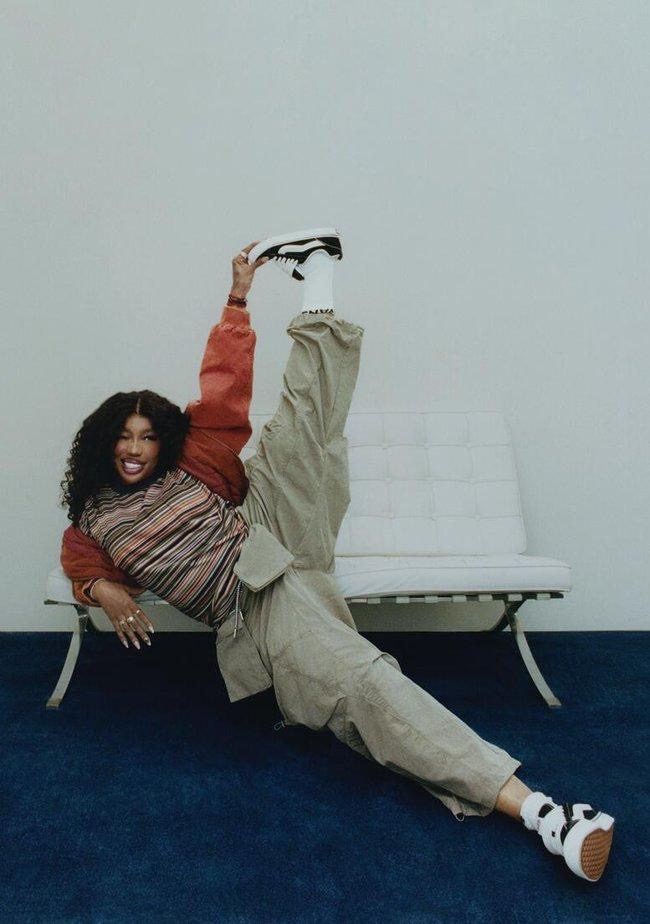
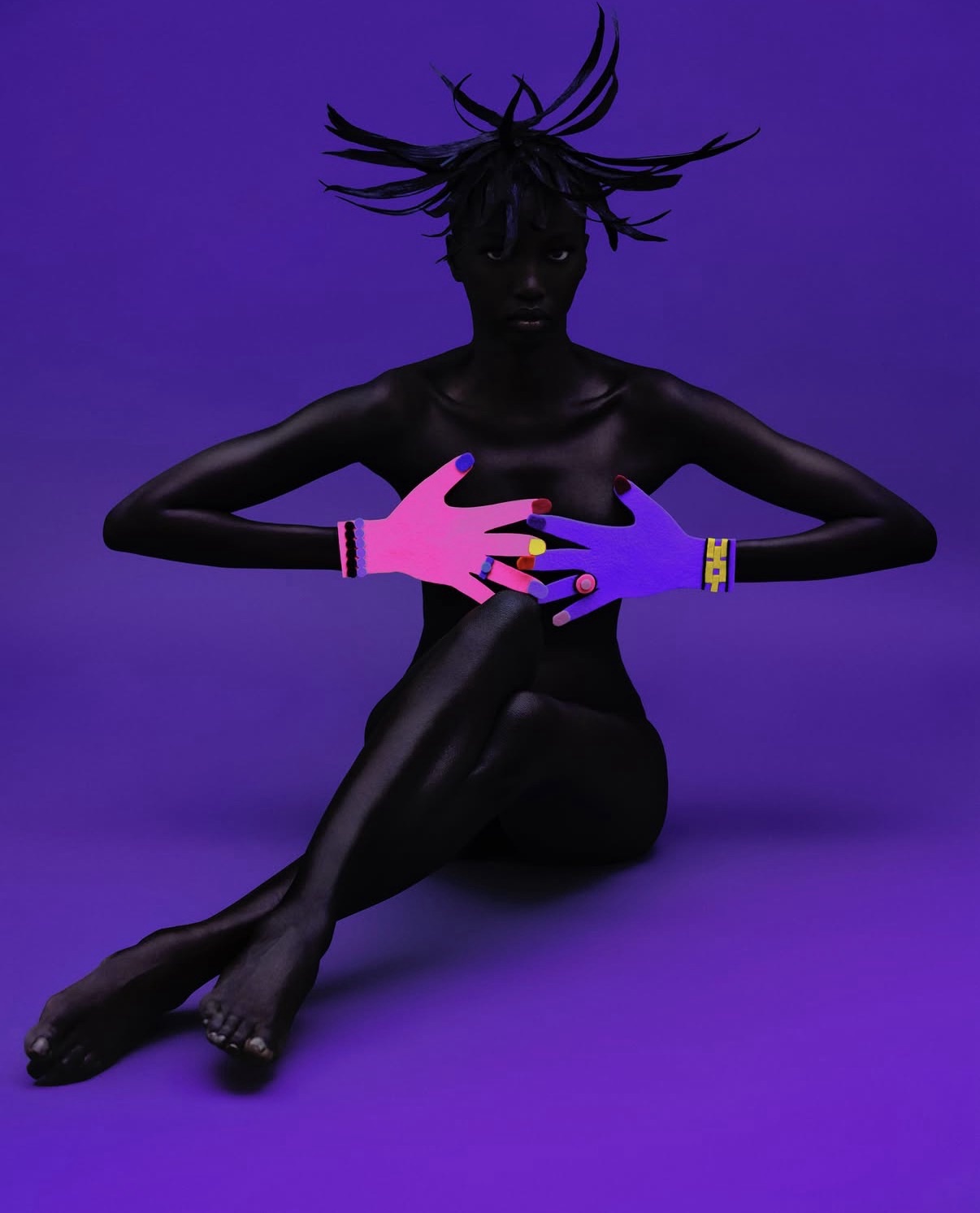
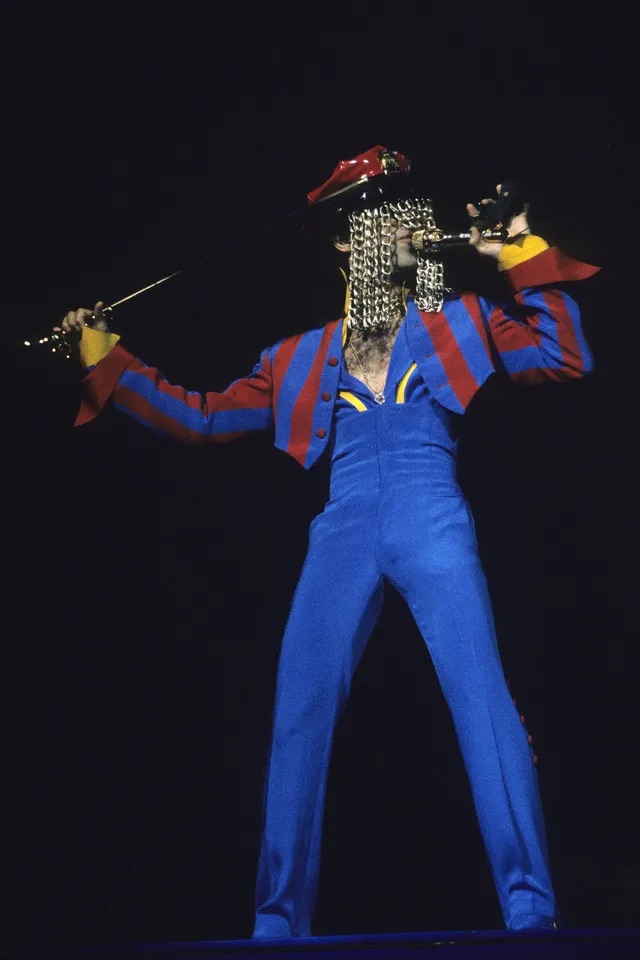
Today, Pavarotti’s aesthetic remains unmistakable. Vibrant color palettes, direct gaze, sculptural styling, and carefully constructed compositions have become signatures of his practice. In many of his images, subjects appear almost mythological, transformed through color, fashion, and gesture into larger than life figures. Rather than functioning simply as portraits or product imagery, his photographs often operate as visual worlds unto themselves.
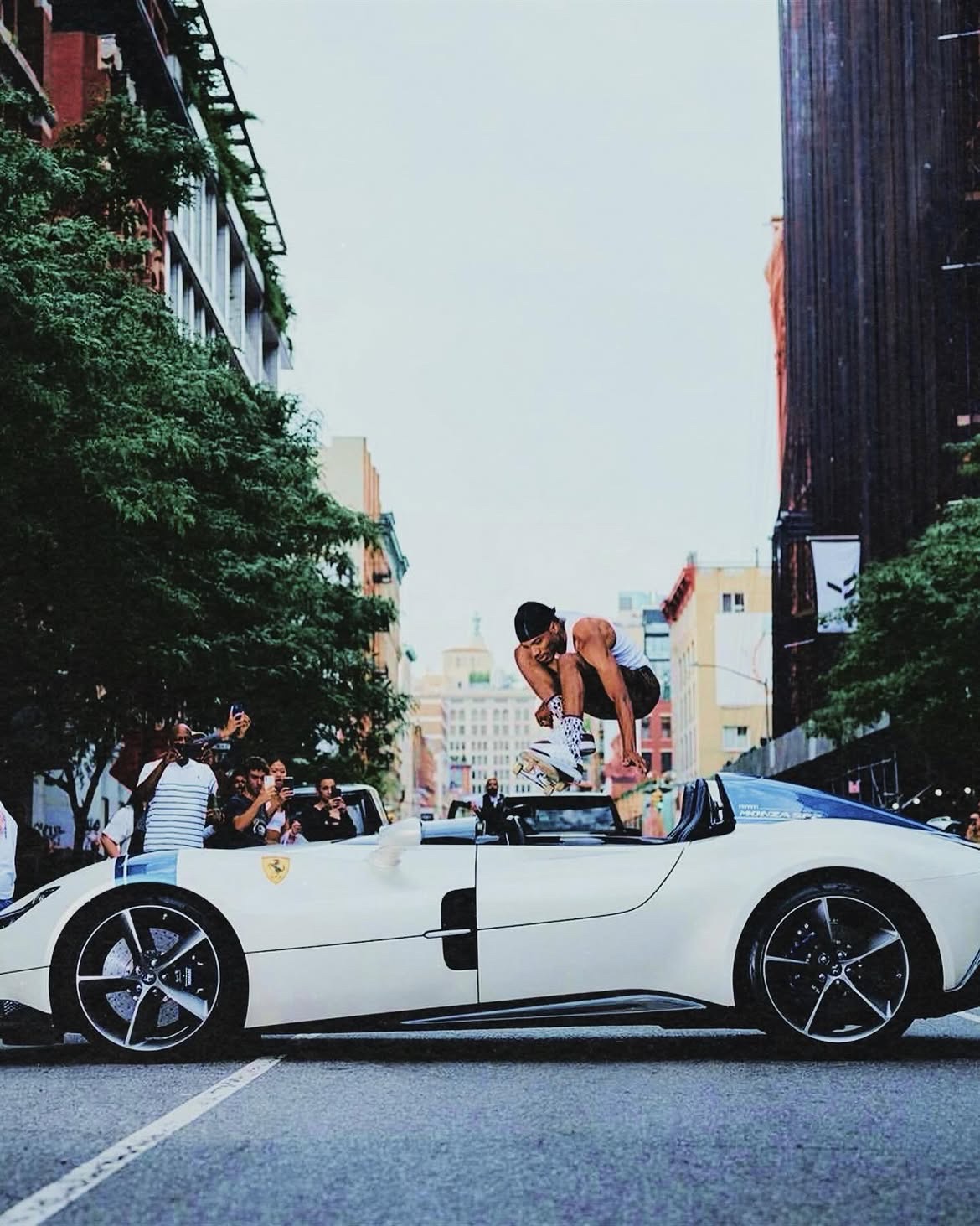
This approach has led to collaborations with many of fashion’s most influential publications and brands. Pavarotti’s photographs have appeared on the covers of British Vogue, Vogue Italia, W, i-D, and numerous other international publications. His client list includes Dior, Maison Margiela, Balmain, Mugler, Ferrari, Ferragamo, and L’Oréal, among others. He has photographed some of culture’s most recognizable figures while maintaining a distinct visual identity that remains entirely his own.
Yet perhaps Pavarotti’s greatest contribution lies in his ability to position fashion photography as both cultural document and fine art. Throughout his career, he has consistently used image making as a means of exploring broader social, political, and historical narratives. As an Afro Indigenous Brazilian photographer, questions surrounding identity, ancestry, and representation naturally inform much of his work. Fashion becomes not simply a commercial medium, but a vehicle through which stories can be preserved, expanded, and reimagined.
As the boundaries between fashion, art, and culture continue to dissolve, Rafael Pavarotti stands at the center of that evolution. His images do more than capture clothing or celebrity. They challenge historical absences, celebrate marginalized identities, and offer new visions of beauty and possibility. In doing so, Pavarotti has not only established himself as one of the defining photographers of his generation, but as one of the most important visual storytellers working today.