From Pharrell to Jaden Smith, fashion is increasingly placing its future in the hands of multidisciplinary creatives.


For decades, fashion treated the creative director as a figure who emerged from inside the system. The path was expected to be quiet, technical, and heavily protected by the rules of the industry. A designer studied the craft, assisted under established names, developed a visual language, and eventually earned the authority to shape a house from the inside.
That system has not disappeared, but it is no longer the only path.
In recent years, fashion has entered a new era, one where celebrities are no longer only wearing the clothes, sitting front row, or appearing in campaigns. They are increasingly being asked to help shape the identity of the brands themselves. Pharrell Williams at Louis Vuitton, Jaden Smith at Christian Louboutin, A$AP Rocky at Ray Ban, SZA at Vans, and Rihanna’s earlier work with Puma all point toward the same larger shift. Fashion is no longer looking only for trained designers. It is looking for people who can build worlds.
That distinction matters. The rise of celebrity creative directors is often dismissed as a symptom of fashion becoming too dependent on fame, attention, and online conversation. There is truth in that critique. Luxury houses and global brands understand the value of a recognizable name. A celebrity appointment can generate headlines before a product exists, create cultural momentum before a collection is shown, and pull younger audiences into a brand’s orbit without the slow process of traditional fashion marketing.
But reducing these appointments to fame alone misses the more interesting story. Many of the figures stepping into these roles were already creative directors long before a company gave them the title. They were shaping sound, image, style, community, performance, and visual language across other mediums. They built entire creative ecosystems around themselves. Fashion is simply beginning to formalize what culture had already recognized.
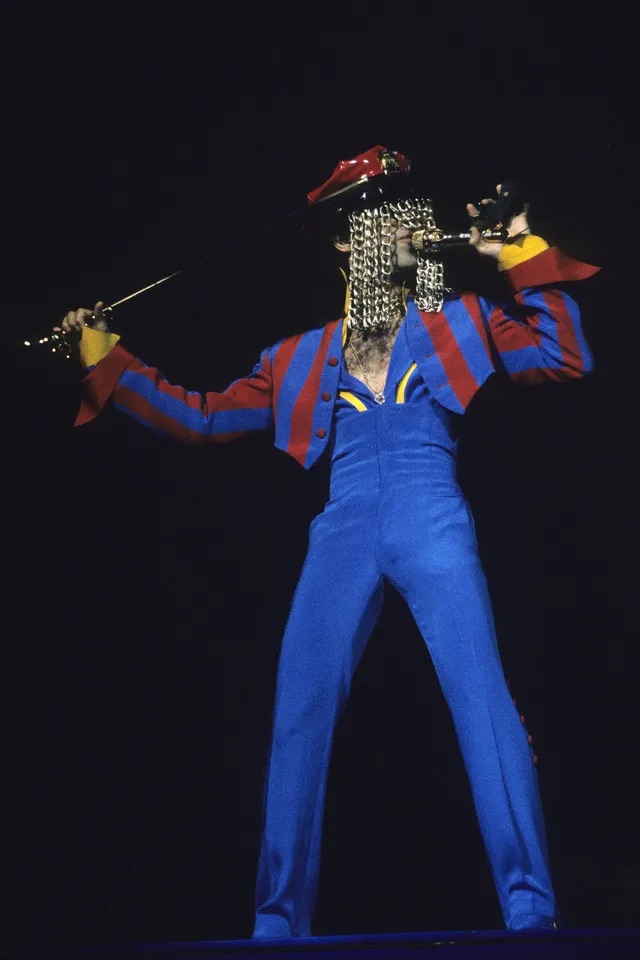
Pharrell Williams is the clearest example. When Louis Vuitton appointed him as men’s creative director in 2023, the decision immediately sparked debate because he was succeeding Virgil Abloh, a designer whose work had permanently changed the relationship between luxury and street culture. Yet Pharrell’s relationship to fashion did not begin with the appointment. Long before Louis Vuitton, he had already helped define the look and sound of an era through music, production, Billionaire Boys Club, Ice Cream, Humanrace, collaborations with Adidas, Chanel, Moncler, G Star, and Louis Vuitton itself. His appointment was not simply about placing a musician inside a fashion house. It was about placing someone who had already spent decades operating across music, design, branding, and cultural storytelling into one of fashion’s most visible roles. Louis Vuitton officially named Pharrell men’s creative director in February 2023, with his first collection shown at Paris Men’s Fashion Week that June.
What Pharrell represents is a new kind of authorship. His strength has never been limited to one medium. He understands mood, color, sound, nostalgia, collaboration, celebrity, and commercial desire. He knows how to make a product feel like part of a larger universe. That is why his Louis Vuitton shows have felt less like traditional runway presentations and more like cultural productions. Music, casting, location, celebrity attendance, styling, and product all function together. The clothing is not separate from the spectacle. It is one part of a larger world.
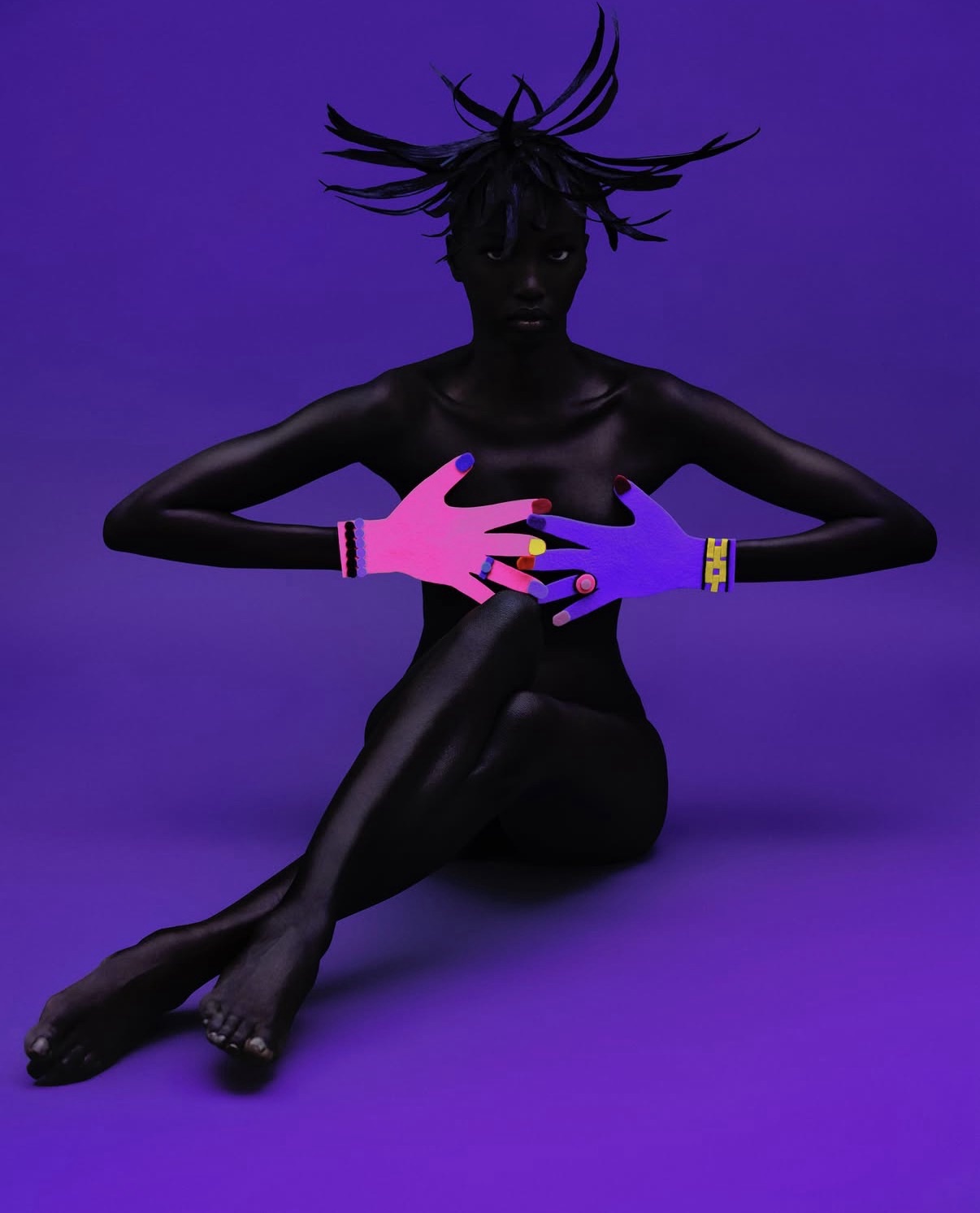
Jaden Smith’s appointment at Christian Louboutin pushed the conversation even further. In 2025, Smith was named men’s creative director of the brand, overseeing men’s shoes, leather goods, accessories, campaigns, events, and immersive experiences. His debut collection is set to be presented during Paris Men’s Fashion Week in January.
The reaction was immediate because Jaden represents one of the most debated sides of this shift. He is famous, young, and born into celebrity. To some, that makes him an example of fashion choosing visibility over experience. But again, the more complicated truth is that Jaden has spent much of his public life treating style as a creative medium. Through music, film, gender fluid dressing, environmental projects, MSFTSrep, and his long running use of clothing as self expression, he has consistently treated identity as something to be designed. His appointment raises a legitimate question, but not a simple one. Is fashion lowering the standard by opening creative leadership to celebrities, or is it finally acknowledging that creative direction can come from outside traditional design rooms?
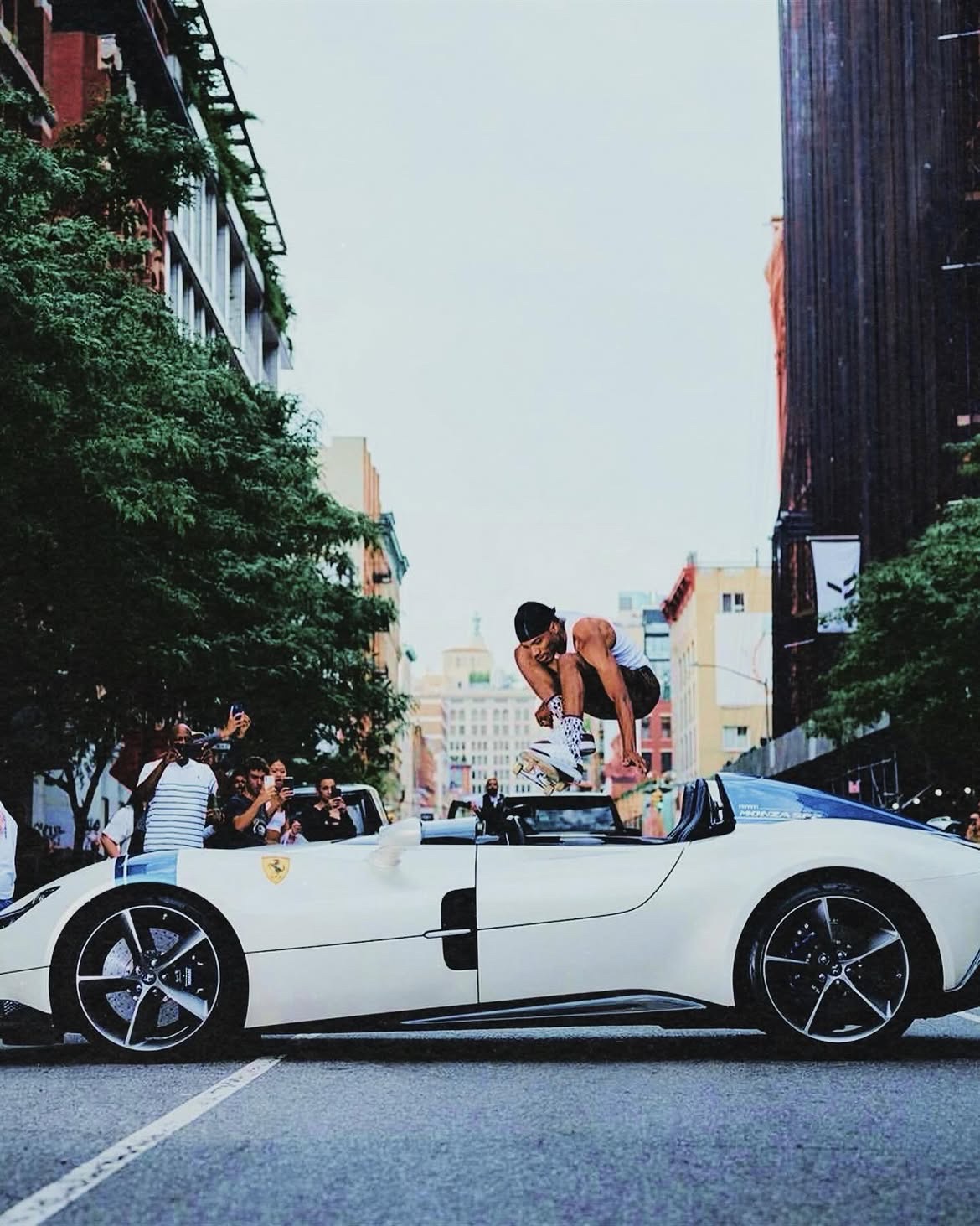
A$AP Rocky’s role at Ray Ban belongs to the same conversation. In 2025, he was named Ray Ban’s first creative director, with his early work connected to the Blacked Out Collection and a broader creative direction for the brand. Rocky’s appointment makes sense because his influence on fashion has always exceeded the usual celebrity ambassador model. He has not simply worn clothes well. He has helped define how fashion, rap, tailoring, streetwear, and luxury intersect in the twenty first century. He introduced audiences to designers, reshaped what rap style could look like, and carried himself less like a brand partner than a walking editorial concept. His relationship to fashion has always been visual, referential, and curatorial.
That is what brands are buying now. Not only a face. Not only fame. Not only reach. They are buying taste.
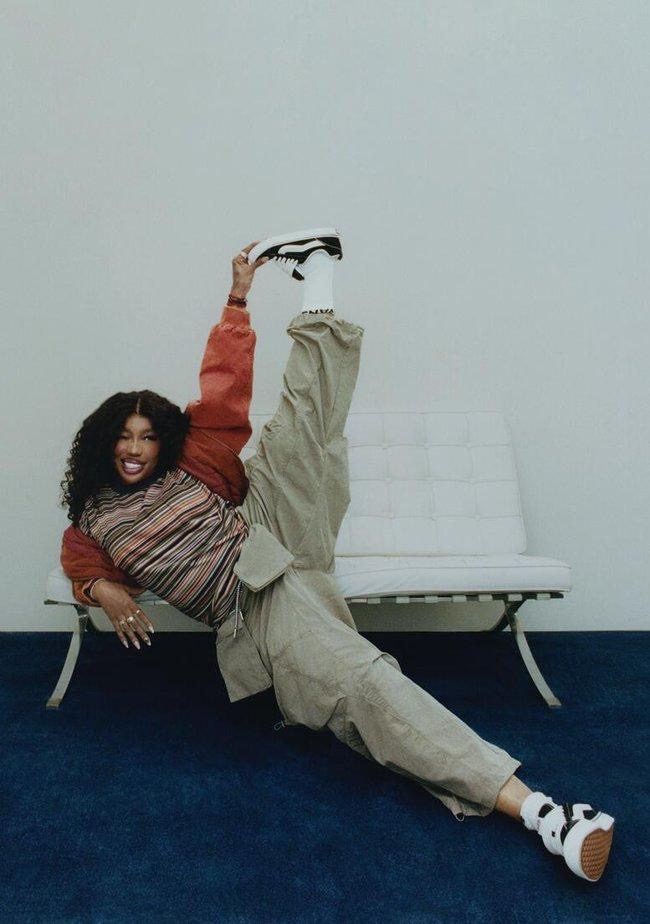
SZA’s appointment as Vans’ first artistic director shows how this movement is extending beyond luxury houses into lifestyle and youth culture brands. Vans announced a multi year partnership with SZA in 2025, naming her artistic director and positioning her to help shape campaigns and exclusive product collections. Vogue described the role as her official entry into fashion design, with an emphasis on campaigns, footwear, and new creative direction for the brand.
SZA is important to this conversation because her creative identity is deeply atmospheric. Her music, visuals, styling, album worlds, performances, and public persona all carry a specific emotional texture. She does not simply sell a look. She creates a feeling. That is increasingly what brands want. Vans has always lived between skate, music, youth, rebellion, comfort, and individuality. SZA gives the brand a way to speak to those ideas through a contemporary emotional language. Her appointment suggests that the modern creative director does not always need to arrive as a technical designer. Sometimes the role is about translating a feeling into objects, campaigns, and community.
Rihanna helped prove this model earlier than most. In 2014, she was named creative director of Puma, where she oversaw the women’s line and also served as a brand ambassador. Her Fenty x Puma era became one of the clearest examples of celebrity led fashion working at a high level because Rihanna brought more than name recognition. She brought instinct. She understood proportion, attitude, casting, styling, desire, and the emotional power of a product that feels connected to a larger identity. The Creeper did not succeed only because Rihanna was famous. It succeeded because it felt like Rihanna’s world had been translated into footwear.
That is the difference between endorsement and creative direction. An endorsement borrows someone’s image. Creative direction attempts to borrow someone’s vision.
Kanye West’s Yeezy era also changed the way fashion understood celebrity creativity. Regardless of the controversies that later surrounded him and the collapse of his Adidas partnership, Yeezy demonstrated that a musician could build one of the most influential design languages of the 2010s. Adidas Yeezy began as a collaboration between Ye and Adidas, launching its first shoe in 2015, and Forbes later described Yeezy’s rise as one of the major retail stories of the century. The muted palettes, dystopian silhouettes, oversized proportions, sock like sneakers, earth tones, and uniform based styling shaped the visual language of an entire era of streetwear and performance fashion.
Yeezy forced the industry to confront something uncomfortable. A celebrity could not only sell product. A celebrity could influence design itself. That changed the conversation around who gets to be considered a designer, who gets access to factories, who gets invited into luxury spaces, and who gets taken seriously as a creative authority.
Virgil Abloh sits at the center of this story, even though he was not a celebrity in the same way as Pharrell, Rihanna, Rocky, or SZA. Virgil was a designer, architect, DJ, artist, collaborator, theorist, and cultural translator. He proved that a creative director could operate across disciplines without treating fashion as separate from music, art, nightlife, graphic design, architecture, and internet culture. When Louis Vuitton appointed him men’s artistic director in 2018, it marked a historic moment, but it also confirmed something larger. The future of fashion leadership would belong to people who understood culture as a connected system.
That is why Pharrell’s appointment after Virgil felt so symbolic. Louis Vuitton did not simply replace one designer with another. It moved from one cultural architect to another. The title stayed the same, but the meaning of the job expanded.
This is the most important point: fashion brands are no longer operating only as fashion brands.
They are media companies. They are entertainment companies. They are cultural platforms. They produce runway shows, films, campaigns, music moments, celebrity partnerships, collectible objects, global events, social media narratives, and emotional universes. In that context, the creative director is no longer only responsible for silhouette, fabrication, and seasonal direction. The creative director has become responsible for attention, atmosphere, and cultural meaning.
That does not mean technical design no longer matters. It means technical design is now one part of a larger creative economy.
This shift makes some people uncomfortable because fashion has always protected its hierarchies. The industry has long separated the trained designer from the celebrity, the atelier from the stage, the runway from the red carpet. But those boundaries were always more fragile than they appeared. Musicians have shaped fashion for decades. Actors have shaped beauty standards. Athletes have shaped sneaker culture. Stylists have shaped public taste. Photographers have shaped desire. Creative directors are now being chosen from a wider map of influence because culture itself has become more fluid.
A musician today is rarely just a musician. A rapper is also a stylist, casting director, brand strategist, visual director, and cultural publisher. A pop star is also a beauty founder, fashion collaborator, filmmaker, and image maker. A skater can become a designer. A stylist can become a brand founder. A photographer can become a creative director. The modern creative class does not move in straight lines.
That is why the celebrity creative director era is not only about celebrities taking jobs from designers. It is about the collapse of the old categories.
Still, the critique matters. There is a real risk that brands begin to confuse visibility with vision. Fame can create noise, but it does not automatically create design intelligence. A famous person can generate attention without understanding product, construction, merchandising, proportion, materials, or long term brand identity. When fashion appoints celebrities only because they are recognizable, the result can feel shallow. It can reduce creative direction to marketing. It can make the title itself feel less meaningful.
The strongest celebrity creative directors are the ones who already have a creative language before entering the role. Pharrell had one. Rihanna had one. Rocky has one. SZA has one. Kanye had one. Tyler, the Creator, while not appointed to a major house, has built one through Golf Wang, Golf le Fleur, Camp Flog Gnaw, music videos, album worlds, and his larger visual universe. That is why he is so often discussed as someone who could eventually lead a major brand. He has already proven he can create a world that people want to enter.
The weakest version of the trend would be brands appointing celebrities with no clear point of view simply because they offer reach. The strongest version is more interesting. It suggests that fashion is beginning to understand creativity as something that can be developed through many disciplines, not only through fashion school or atelier training.
This is where the conversation becomes bigger than individual appointments.
The celebrity creative director era reflects a larger cultural hunger for authorship. Audiences do not only want products. They want worlds. They want to know who is behind the vision. They want a point of view. They want a story they can recognize and participate in. In the past, a luxury house could rely on heritage alone. Today, heritage has to be activated. It has to move. It has to speak in the present tense.
That is why the face of the creative director matters more than ever.
Karl Lagerfeld understood this early. Tom Ford understood it. Marc Jacobs understood it. Virgil Abloh understood it better than almost anyone. But the current moment is different because brands are no longer only turning designers into celebrities. They are turning celebrities into design leaders.
That reversal is the story.
For most of the twentieth century, fashion created its own stars. Designers became famous because of what they made. Now, brands are bringing in people who are already famous because they have proven an ability to shape culture somewhere else. The celebrity enters the house with an existing audience, an existing mythology, and an existing creative universe. The brand gains immediate relevance. The celebrity gains institutional authority. The audience gets to watch the collision.
Sometimes that collision works. Sometimes it feels forced. But either way, it reveals where fashion is heading.
Creative direction is becoming less about guarding a single discipline and more about orchestrating many of them. The modern creative director must understand clothes, but also music, film, image, casting, social media, community, commerce, and the emotional rhythm of culture. They must know how to build a world and keep people inside it.
That is why these appointments should not be read only as fashion choosing fame over craft. They should be read as fashion responding to a world where creativity is no longer contained by one medium.
Pharrell is not only a musician. Rihanna is not only a singer. Rocky is not only a rapper. SZA is not only an artist. Jaden is not only an actor or public figure. Each of them has used other mediums to build an aesthetic language. Each has shaped how people dress, listen, move, gather, and see themselves.
Whether every appointment succeeds is a separate question. Some will feel natural. Some will feel like marketing. Some will produce real design language. Others may disappear after a season. But the movement itself is already significant because it shows a new standard forming inside fashion.
The next great creative director may not come from the expected place.
They may come from music. They may come from film. They may come from sport. They may come from styling, photography, nightlife, gaming, digital art, or a self built world online. What matters is no longer only whether they can sketch a garment. What matters is whether they can create meaning around it.
Fashion has always borrowed from culture. Now culture is being invited to run the house.