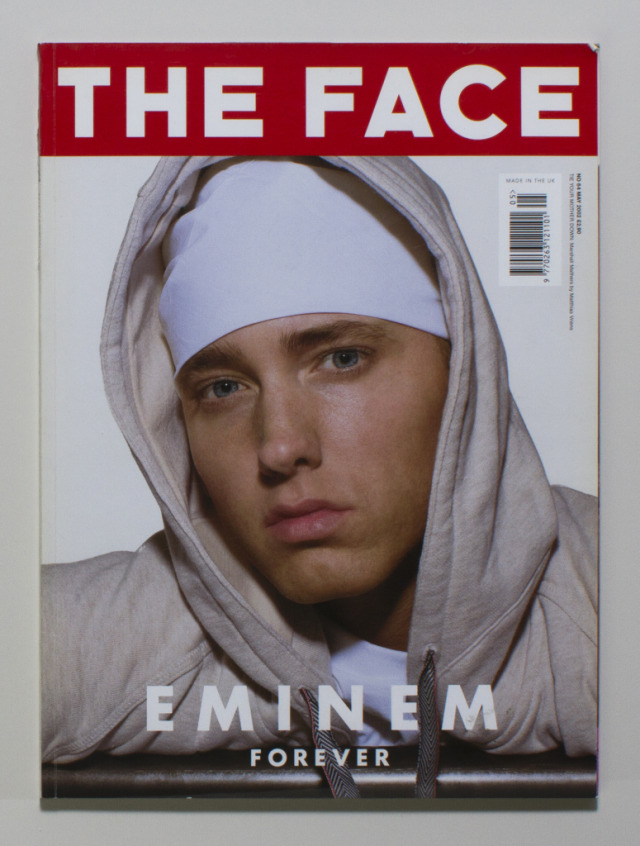
How The Face turned youth culture into a visual language the world still follows.


Founded in London by Nick Logan in 1980, The Face arrived at a moment when music, fashion, nightlife, photography, and youth identity were beginning to move together, even if most magazines still treated them as separate worlds.
The Face understood that culture did not work in categories. What people listened to shaped how they dressed. Clubs influenced photography. Street style influenced fashion. Politics, music, art, and image all became part of the same conversation.
That idea became the foundation of the modern culture magazine.
The publication first gained attention through its design. Art director Neville Brody transformed its pages with experimental typography, dramatic layouts, unusual image crops, and a visual language influenced by punk, modernism, record sleeves, and political graphics. The design did not simply support the stories. It became part of what the stories meant.
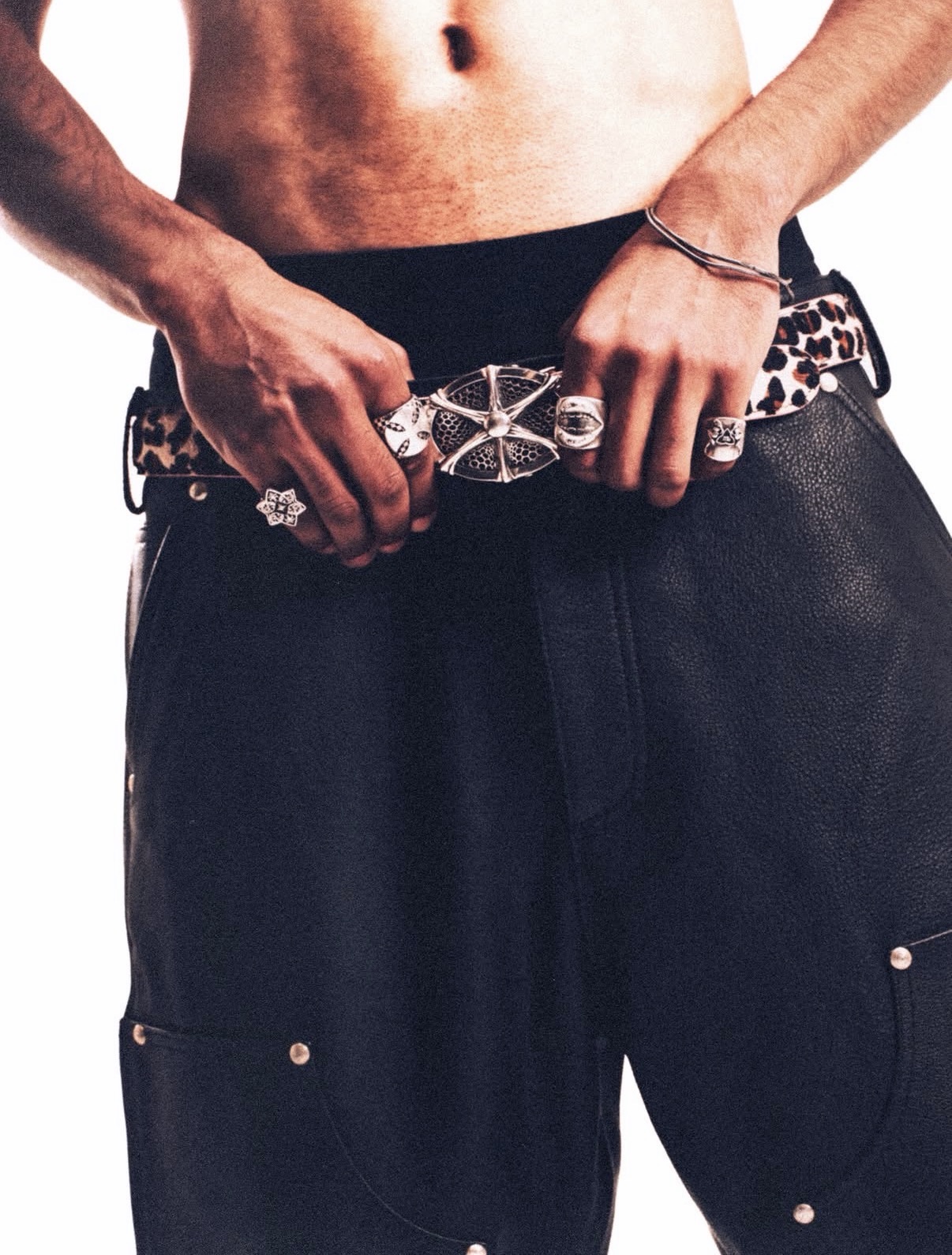
The Face also changed fashion publishing through its relationship with Ray Petri and the Buffalo movement. Sportswear, tailoring, military clothing, street casting, reggae, football culture, and Black British style were brought together in ways traditional fashion magazines had rarely shown. The images felt lived in, multicultural, and rooted in real communities rather than luxury fantasy.
By the late 1980s and early 1990s, photography became central to the magazine. The Face gave space to photographers including Corinne Day, David Sims, Juergen Teller, Glen Luchford, Nick Knight, and others who would later define contemporary fashion imagery.
One of its most important moments came in 1990, when Corinne Day photographed a teenage Kate Moss. The images rejected the polished supermodel ideal of the time and introduced a softer, younger, more natural kind of beauty. The Face did not simply feature Moss early. It helped people understand why she represented something new.
Throughout the 1990s, the magazine became one of the clearest records of youth culture. It covered rave, hip hop, grunge, Britpop, fashion, art, film, nightlife, and celebrity without separating them into different worlds. Its covers included figures such as David Bowie, Madonna, Björk, Kurt Cobain, Snoop Dogg, Kylie Minogue, and Alexander McQueen, but discovery remained just as important as fame.
That balance gave The Face its authority. Unknown photographers, models, stylists, musicians, and designers were treated with the same seriousness as established names. The magazine made emerging culture feel important before the mainstream agreed.
Its history was not without problems. In 1992, a libel case involving singer Jason Donovan nearly destroyed the independently owned publication. The magazine survived, but the case showed how financially vulnerable independent media could be.
By the end of the 1990s, the publishing world had begun to copy the formula The Face helped create. Fashion magazines became more youthful. Music magazines became more visual. Newspapers launched style supplements. Brands began borrowing the language of underground culture.
Nick Logan sold the magazine in 1999, and The Face eventually closed in 2004 after declining circulation and commercial pressure.
Its first ending was partly the result of its own success. The magazine had changed publishing so deeply that its ideas no longer felt unusual.
The Face returned in 2019 as a quarterly print publication and digital platform, entering a world where culture no longer depended on magazines to travel. Social media could introduce a musician, photographer, model, or style to millions of people overnight.
The new challenge was not discovery alone. It was context, taste, and authority.
The relaunch continued the magazine’s mix of fashion, music, film, nightlife, and youth culture, but sustaining expensive photography and independent editorial work became increasingly difficult. That version of The Face ended in 2026, although the title has suggested it may return again.
The Face matters because it changed what a magazine could be.
It showed that fashion could document society, that typography could communicate emotion, that nightlife deserved serious attention, and that unknown talent could be presented as future history.
It also proved that a cultural magazine’s real value is not the number of subjects it covers. It is the way it connects them.
The Face did not simply report on culture. It gave culture an image, a rhythm, and a point of view.
Before the feed, it helped an entire generation understand what the future looked like.